Pain, Rehab, & “I Thought I Was Broken”
In the past, we’ve always heard, “if it hurts, don’t do it” and that’s been the standard for many years. Recently, there has been a change in the world where maybe that is not the best thing for our health. Early movement is now prescribed by physicians to prevent secondary problems from being sedentary. Let’s explore the research.
Why pain doesn’t always mean damage
Ever experience pain after an intense workout? It hurts to walk upstairs, reach for a plate, or just bend down to tie your shoes. This is called delayed onset muscle soreness (DOMS); when your muscles are actively repairing themselves after microtears you have accumulated during your workout. It is good because it helps build your muscles and means your nervous system is active.
Why resting forever doesn’t fix chronic pain
The fear of moving when dealing with pain or injury has been debunked for decades. However, people are still afraid to move due to advice they have been given (“Babying your back,” 2020). People are now being pushed to start walking on the day of their hip or knee surgery to prevent secondary complications that occur from prolonged rest. Without movement, your muscles will begin to weaken and lead to more problems later down the road.
How strength training can reduce pain (not cause it)
Most people think they will tweak their back when exercising whereas they actually do it during simple tasks such as bending over when brushing their teeth (“Babying your back,” 2020). Exercise has the opposite effect where it builds the foundation for a person to prevent injury. Animal studies have shown doing exercise improved pain more than those that remained stagnant (“Babying your back,” 2020).
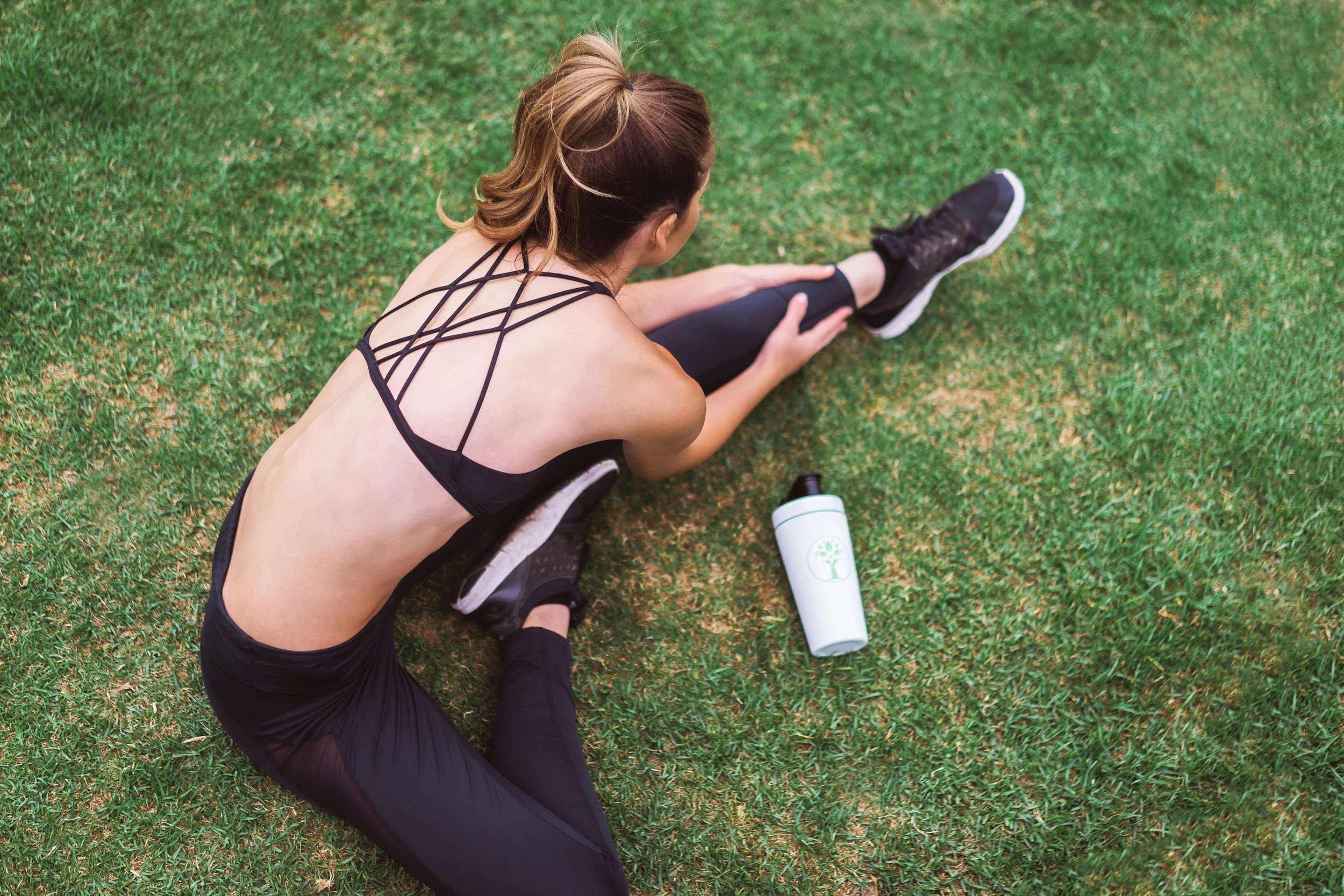
Why avoiding movement often makes things worse
As stated above, staying in bed because of pain or injury will often make the pain worse over time. It causes reduction in flexibility and muscle tone. Not only does it have negative physical outcomes, but it can also increase risk of mental health such as depression (“Babying your back,” 2020).
Why your shoulder/knee/back pain keeps coming back
While hot packs, cold packs, and over-the-counter pain medications can make the pain more tolerable, they do not solve the underlying issue (“Babying your back,” 2020). That is why pain keeps returning. In order to help cure the problem, you need to improve the structures in your body to support the movements you do during the day.
The role of confidence in returning to movement
Returning to movement can be scary. While pain is inevitable for most, changing your mindset about how you deal with the problem is essential for a better quality of life (“Babying your back,” 2020). People should reach out to trainers to get some help and become comfortable with movement when dealing with pain.
ReferencesBabying your back may delay healing. (2020, April 16). Harvard Health Publishing. https://www.health.harvard.edu/pain/babying-your-back-may-delay-healing