Foundational Movement and human performance
If you pay attention to some fitness influencers on social media or worked out at a gym, you’ve most likely heard “form is everything.” Trainers cue “keep your back straight” or “fix your posture” without any consideration for the person and their body mechanics.
Why doesn’t perfect form exist (and what matters instead)?
Skill doesn’t come from “perfect form” because absolute perfection isn’t realistic. What matters is variability because in early stages of motor learning, it is essential to make mistakes for the brain to find more effective ways to move. It promotes adaptability of the nervous system which improves performance (Chua et al., 2019). What really matters is working the targeted muscles in order to improve your overall heath and performance.
Why most people don’t need more exercises — they need better ones
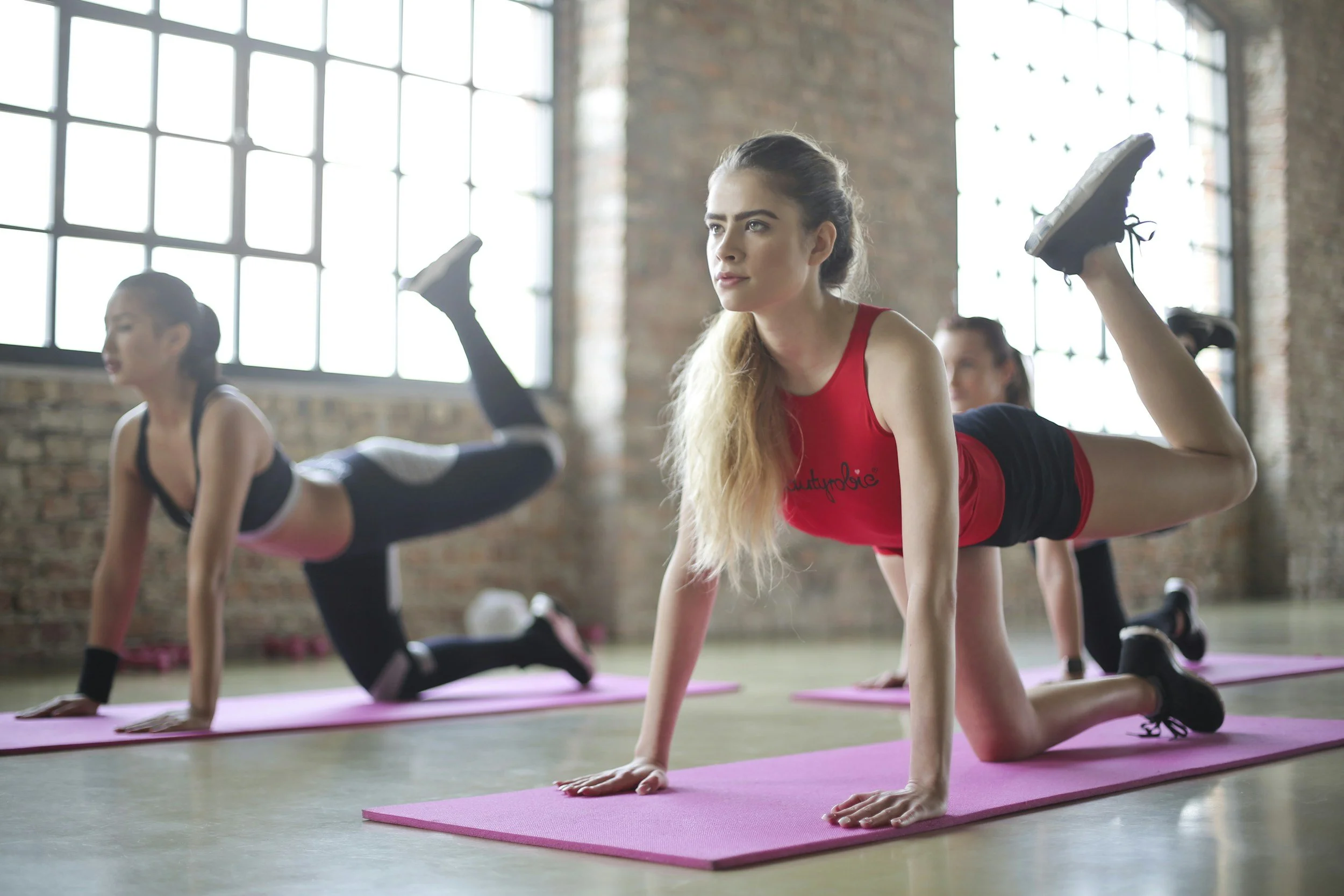
Adding exercises to a program does not have the same effect as when a trainer adds in purposeful movements (Kassiano et al., 2022). The body has the ability to adapt to different demands. If you over exercise the same muscle, it can hinder performance more than help it. If we think about doing one compound squat, we can incorporate legs, core, back, and arms compared to adding leg extensions on a machine, cable rows, crunches, glute bridges, etc.
The difference between training and exercising
Now what is the difference between training and exercising? Exercising refers to a physical activity that one does for their health and enjoyment but doesn’t typically involve a structured routine. Training is more goal-driven and intentional which is designed to improve physical or performance outcomes through planned progression and feedback. If you were to just complete recreational activity, that would not have the same improvements on hypertrophy and strength than structures and progressive resistance training (Schoenfeld et al., 2016). While exercise is movement for participation, training is more movement for a purpose.
What it means to build a movement foundation
In order to successfully begin moving, you have to build a movement foundation. This involves developing fundamental movement skills (i.e., squatting, hinging, pushing, pulling, bracing, rotating, and locomotion) before you add in speed, load, and complexity. First, you must focus on coordination, control, and efficient force before you can prioritize advanced techniques. This allows for easier transference into daily life activities, sports, and long-term physical capacity. If we look at infants, they must first lift their head, before they can crawl. For untrained or developing individuals, task-specific training does not succeed in strength, performance, and injury resilience more than foundational neuromuscular and movement-based training (Myer et al., 2011). All in all, before adding variability, load, and new demands, first build a movement foundation to create movement options that your body can handle more efficiently over time.
How posture really works (and why “stand up straight” isn’t the answer)/ is bad posture actually a “bad” thing?
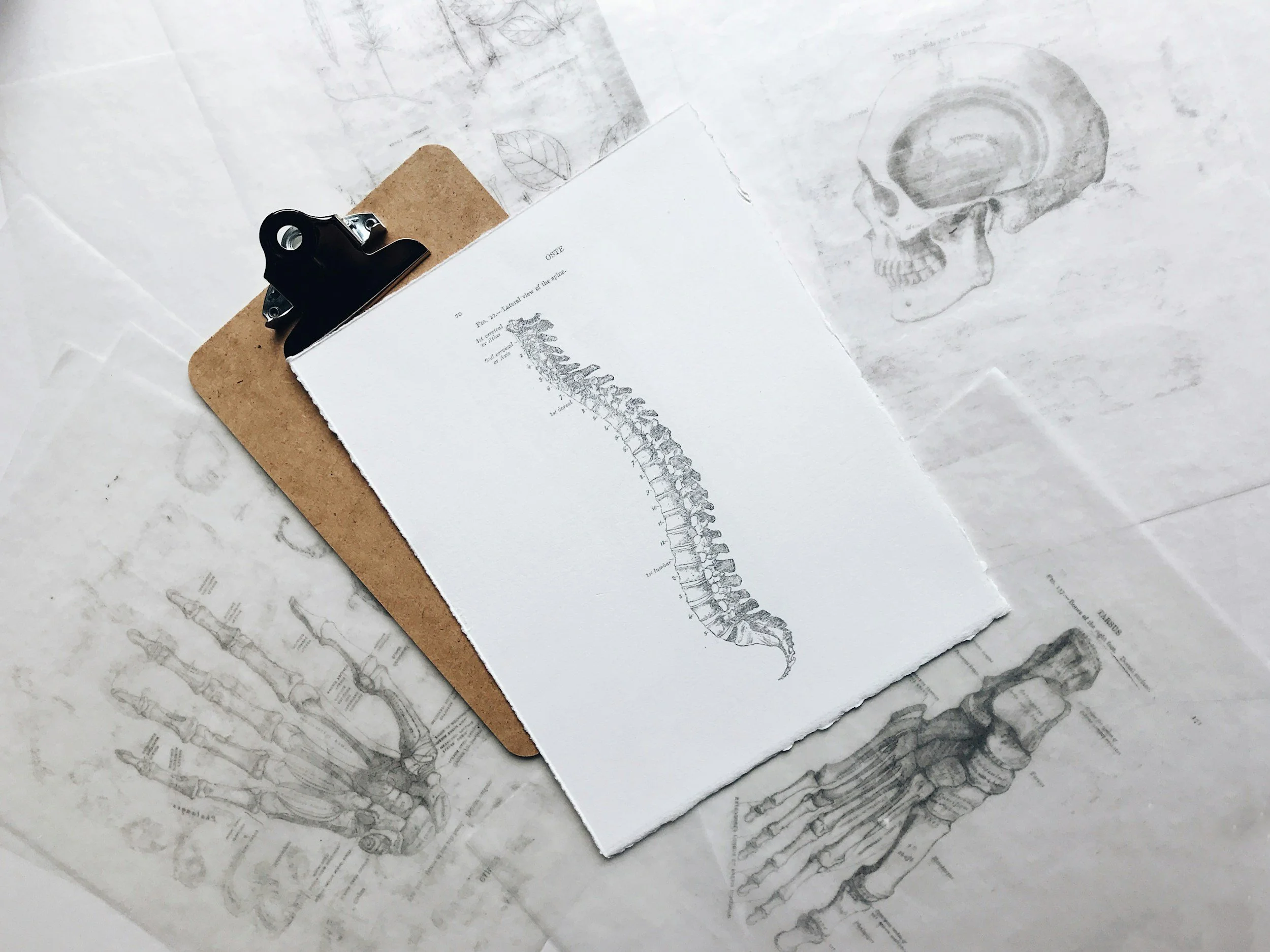
Posture is a dynamic behavior that is constantly adapting to fatigue, comfort, context, and what the task demands, not just “standing up straight.” Research now finds no correlation between pain and tissue damage with slouching (Lederman, 2011). On the contrary, holding a “good” posture for too long can actually cause more discomfort and load on tissues. When people complain of “back pain,” research has found it’s more due to stress, fatigue, and sensitivity more than it is impacted by posture (Nijs et al., 2020). Moving in and out of different positions with confidence and comfort is more important than “a good posture.” An individual should understand that “bad posture” is not harmful but a normal human movement. You do not need to fix it, you build your postural variability, movement capacity, and tolerance to load.
ReferencesChua, L. K., Dimapilis, M. K, Iwatsuki, T., Abdollahipour, R., Lewthwaite, R., & Wulf, G. (2019). Practice variability promotes an external focus of attention and enhances motor skill learning. Human Movement Science, 64, 307-319. https://doi.org/10.1016/j.humov.2019.02.015Gallahue, D. L., & Ozmun, J. C. (2006). Understanding motor development: Infants, children, adolescents, adults (6th ed.). McGraw-Hill.Kassiano, W., Nunes, J. P., Costa, B., Ribeiro, A. S., Schoenfeld, B. J., Cyrino, E. S. (2022). Does varying resistance exercises promote superior muscle hypertrophy and strength gains? A systematic review. Journal of Strength and Conditioning Research, 36(6), 1753-1762. https://doi.org/10.1519/jsc.0000000000004258Lederman, E. (2011). The myth of core stability. Journal of Bodywork and Movement Therapies, 14(1), 84-98. https://doi.org/10.1016/j.jbmt.2009.08.001Myer, G. D., Faigenbaum, A. D., Chu, D. A., Falkel, J., Ford, K. R., Best, T. M., & Hewett, T. E. (2011). Integrative training for children and adolescents: Techniques and practices for reducing sports-related injuries and enhancing athletic performance. The Physician and Sportsmedicine, 39(1), 74-84. https://doi.org/10.3810/psm.2011.02.1854Nijs, J., Clark, J., Malfliet, A., Ickmans, K., Voogt, L., Don, S., Bandt, H. D., Goubert, D., Kregel, J., Coppieters, I., & Dankaerts, W. (2017). In the spine or in the brain? Recent advances in pain neuroscience applied in the intervention for low back pain. Clinical and Experimental Rheumatology, 35 Suppl 107(5), 108-115.